What to wear
What to wear to a job interview
Dress a notch above the role, in clothes you can forget about once you sit down.
The short answer
For a job interview, wear an outfit one step dressier than what employees wear day to day. For finance, law and government, that means a suit in navy, charcoal or gray. For tech, creative and most offices, go business casual: tailored trousers or a skirt, a knit or button-up, and polished shoes. Fit and neatness matter more than price.
Usual dress code: Business professional
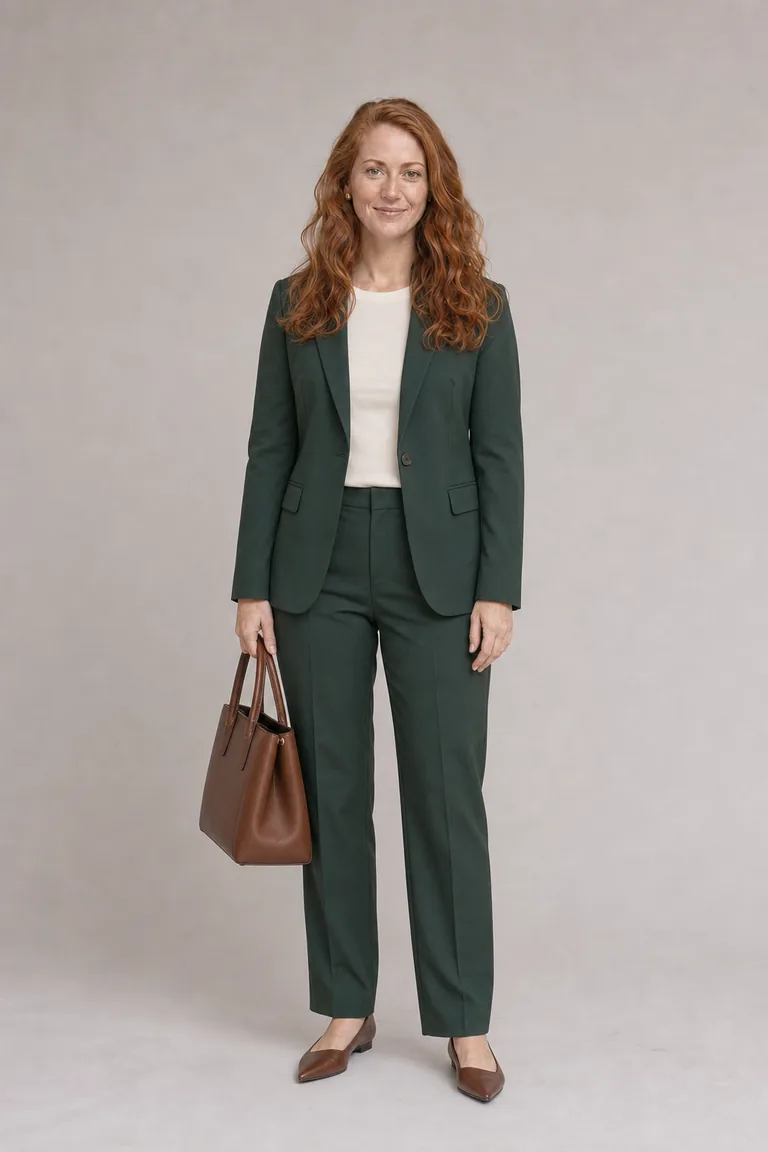
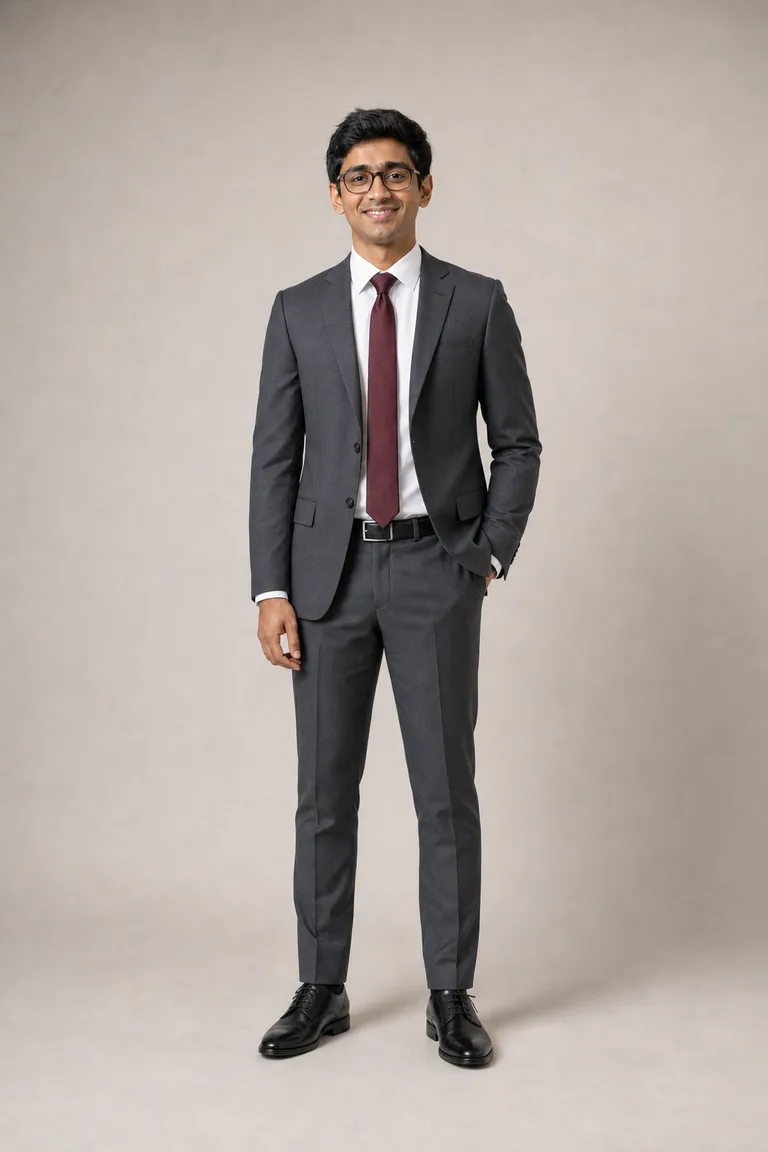
Styled on fictional Avarobe avatars.
Before you get dressed
Knowing what to wear to an interview starts with the company. A suit reads as serious at a bank and a little stiff at a ten-person startup. Aim to look like you already work there, on an important day. For most roles that means one level above what the team wears daily, which you can gauge from the careers page, the company's social accounts or a quick question to the recruiter.
This guide covers what to wear to a job interview by industry, from finance and law to tech, creative work, retail, hospitality and healthcare, plus video calls. Fit matters more than price: hemmed trousers and a pressed shirt beat an expensive suit that pulls across the shoulders. Try the full outfit on a few days ahead, sit down in it, and check that nothing gapes, rides up or needs adjusting while you talk.
Job interview: outfits for women
A tailored suit, a sheath dress with a blazer, or trousers with a crisp top covers almost every interview. Match the formality to the industry, keep skirts and dresses at or just below the knee, and choose shoes you can walk in confidently, from pointed flats to heels under three inches.
- Finance, law or government: a navy or charcoal skirt suit or trouser suit in wool or a wool blend, an ivory silk shell, 2-inch black leather pumps, small studs and a structured tote that holds a folder flat.
- Tech or startup: dark ankle trousers or a knit midi skirt, a fine-gauge merino sweater or silk-blend blouse, an unstructured blazer you can take off if the room is casual, and leather loafers or low ankle boots.
- Creative agency or design studio: a suit in a rich color like forest green or burgundy over an ivory knit top with pointed flats, or a monochrome outfit with one interesting detail, such as a sculptural earring or an unusual collar.
- Retail or hospitality: dark tailored trousers, a crisp blouse or fine knit that nods to the brand's style, a cropped blazer or cardigan, and comfortable closed-toe flats, since some interviews include a floor walk or a working trial.
- Healthcare or lab roles: tailored trousers, a simple knit top or blouse and a cardigan or soft blazer, with closed-toe, low-heeled shoes; skip fragrance, dangling jewelry and long nail art, which clinical settings often restrict.
- Plus-size: a one-button jacket that ends at the high hip over matching straight or wide-leg trousers in a crepe with some stretch. Petite: a shorter jacket and trousers hemmed to skim the top of the shoe, so the leg line stays long.
Job interview: outfits for men
A two-piece suit in navy or charcoal is still the safe choice for formal industries, and a blazer with tailored trousers covers most others. Add a tie for finance, law and client-facing roles, keep the shirt crisp and the shoes polished, and make sure the jacket fits through the shoulders.
- Finance, law or government: a charcoal or navy two-piece suit, a white or light blue dress shirt, a burgundy or navy silk tie, black cap-toe oxfords and a black leather belt.
- Tech or startup: an unstructured navy blazer over an oxford shirt or fine merino polo, gray or khaki chinos and brown leather loafers or suede chukkas; a tie isn't expected.
- Creative agency: a textured suit in brown or deep green with a fine-gauge knit instead of a shirt and tie, or a dark blazer and trousers with a band-collar shirt, finished with suede loafers or Chelsea boots.
- Retail or hospitality: dark chinos or wool trousers, a pressed button-up shirt, a quarter-zip or cardigan in a neutral, and polished leather shoes with a cushioned sole in case the interview includes time on the floor.
- Healthcare: gray wool trousers, a white or light blue shirt, an optional tie and a navy sweater or sport coat, with dark leather shoes you can stand in; interview in business clothes, not scrubs, unless you're told otherwise.
- Big & tall: a suit or sport coat from a big & tall range, tailored at the waist and sleeves, in mid-gray or navy with a subtle texture, a spread-collar shirt that closes comfortably at the neck and an extra-long tie that reaches the belt buckle.
Color
Colors to wear and to skip
Wear
Navy, charcoal, gray and black look competent and calm, and navy flatters nearly every skin tone. White, ivory, light blue and soft pastels work under a jacket. In creative fields, one rich color, such as forest green, burgundy or camel, shows personality without shouting.
Skip
Skip neon, large bold prints and anything sheer, which pull focus from what you're saying. Thin stripes and small checks can flicker on camera in video interviews. Head-to-toe black is fine for creative roles but can feel severe at a conservative firm unless a lighter shirt or top softens it.
The most flattering version of any color is the one that suits your own coloring. Find your color season to know which shades to wear near your face.
Details
Things to consider
Research the company
Look at team photos on the careers page and the company's social accounts, and notice what people wear in videos filmed at its offices. When in doubt, ask the recruiter what the team usually wears; it's a normal question. Then dress one notch above what you see.
Video interviews
Dress fully, trousers included, in case you need to stand. Solid, mid-tone colors look best on camera, while bright white can glare and black can lose detail. Light your face from the front, check that your top doesn't blend into the background, and skip jangly jewelry the microphone will pick up.
Weather and commute
Carry a neutral coat or trench that looks tidy over a suit, plus an umbrella. In summer, choose tropical-weight wool or linen blends and carry the jacket until you arrive. If you're walking far, wear comfortable shoes and switch before you go in.
Role and seniority
Senior and client-facing roles call for the more formal end of the range, even at casual companies. Hands-on roles in trades, kitchens, warehouses or labs may include a tour, so wear closed-toe shoes and clothes you can move in.
Personal style and identity
Professional doesn't have to mean anonymous. A suit, a dress or tailored separates can all be interview-ready, so choose the silhouette that feels like you. Religious dress, such as a hijab, turban or kippah, is always appropriate.
Etiquette
Do's and don'ts
Do
- Try on the full outfit, shoes included, two or three days before, so there's time to fix a hem or sew on a button.
- Tailor the basics: trousers should just touch the top of your shoe, and jacket sleeves should show a quarter to half an inch of shirt cuff.
- Steam or press everything the night before and lint-roll dark fabrics.
- Carry a structured bag or portfolio that keeps copies of your résumé flat.
- Keep grooming simple: clean nails, neat hair and little or no fragrance.
Don't
- Don't wear anything you haven't sat down in; skirts ride up and jackets pull when you sit.
- Don't show up in wrinkled, stained or pilled clothes, even at a casual company.
- Don't wear strong perfume or cologne; interview rooms are small and some people are sensitive to scent.
- Don't let a logo, slogan or loud print do the talking.
- Don't assume a casual company means jeans; confirm with the recruiter before you skip the blazer.
Questions
Job interview outfit FAQ
Is it OK to wear jeans to an interview?
Usually not, even at a casual company. Dark, clean jeans can work for a startup, trade or creative role where the team clearly wears denim every day, as long as you add a blazer and good shoes. If you aren't sure, choose chinos or tailored trousers instead; they look just as relaxed and never read as careless.
What colors should you wear to an interview?
Navy, charcoal, gray and black are the safest colors to wear to an interview because they look serious and keep attention on you. Pair them with white, ivory, light blue or a soft pastel. In creative industries, one rich shade, like forest green or burgundy, shows personality. Avoid neon and busy prints, especially on video.
Do I need to wear a suit to a job interview?
Only for formal industries or senior roles. Finance, law, government, sales and many client-facing jobs still expect a suit. For most tech, creative, retail and nonprofit roles, a blazer with trousers or a skirt is enough, and a full suit can look out of step. When the company seems casual, sharp business casual is the right call.
What should I wear to a tech or startup interview?
Go polished casual: dark chinos or tailored trousers, a crisp button-up, fine knit or simple blouse, and an unstructured blazer you can take off if everyone is in T-shirts. Leather loafers, clean flats or low boots are safest; minimal leather sneakers work only if you know the team wears them. Skip the tie unless the role is client-facing.
What should I wear to a video interview?
Dress as you would in person, at least from the waist up, and wear real trousers in case you stand. Solid, mid-tone colors, such as blue, green or soft gray, look best on camera. Avoid thin stripes and small checks, which can flicker on screen, and test your outfit against your background before the call.
What should you not wear to an interview?
Skip anything wrinkled, stained, too tight, too short or see-through, along with strong fragrance, noisy jewelry and clothes with logos or slogans. Also avoid shoes you can't walk in and anything you need to keep adjusting. A good test: if you'd tug at it or think about it mid-conversation, leave it at home.
Keep reading
Related guides
More occasions
Avarobe
See the outfit on you before the day.
Name the occasion and Avarobe shows complete outfits on an avatar made from your selfie, at your real height and build, in the colors that suit you.
3 looks free · No credit card