What to wear
What to wear to court
Quiet, conservative and clean: clothes that let the facts speak.
The short answer
For court, wear conservative, clean clothes you'd choose for an interview at a traditional office: a suit if you have one, or dress trousers or a knee-length skirt with a collared shirt, blouse or sweater, and closed-toe shoes. Stick to navy, gray, brown or soft neutrals. Skip shorts, tank tops, hats and slogans. Local rules vary.
Usual dress code: Business professional
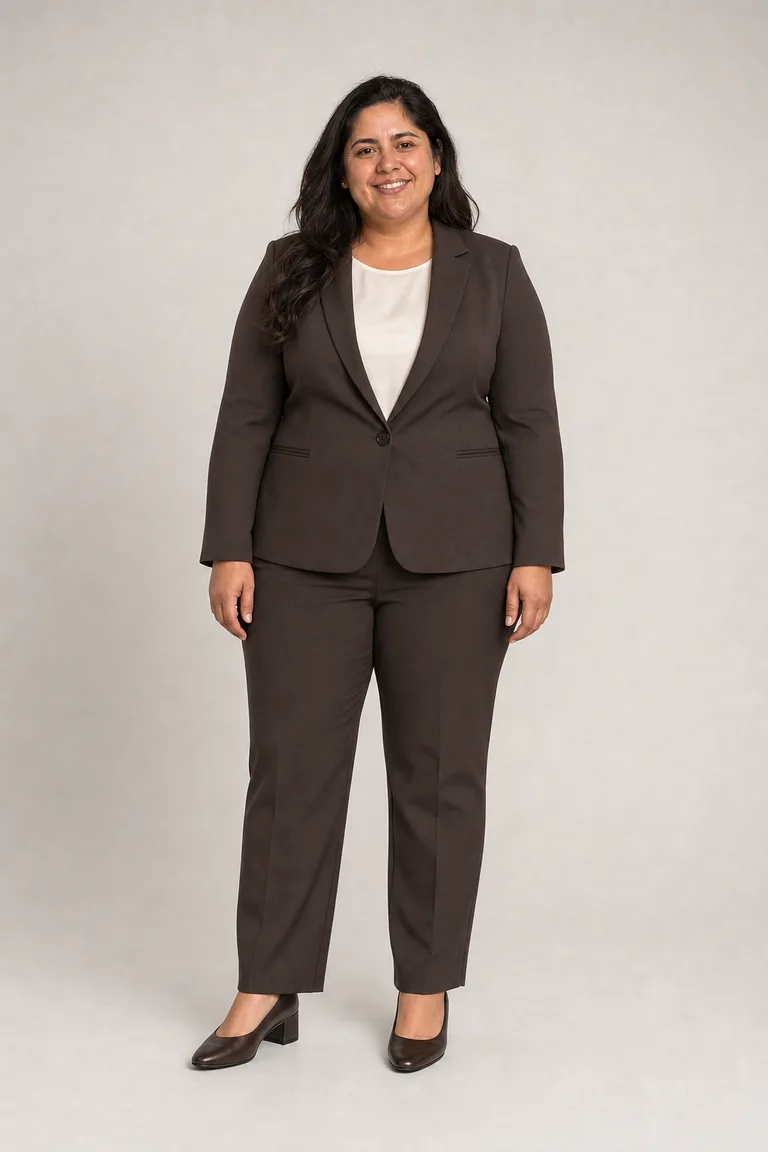
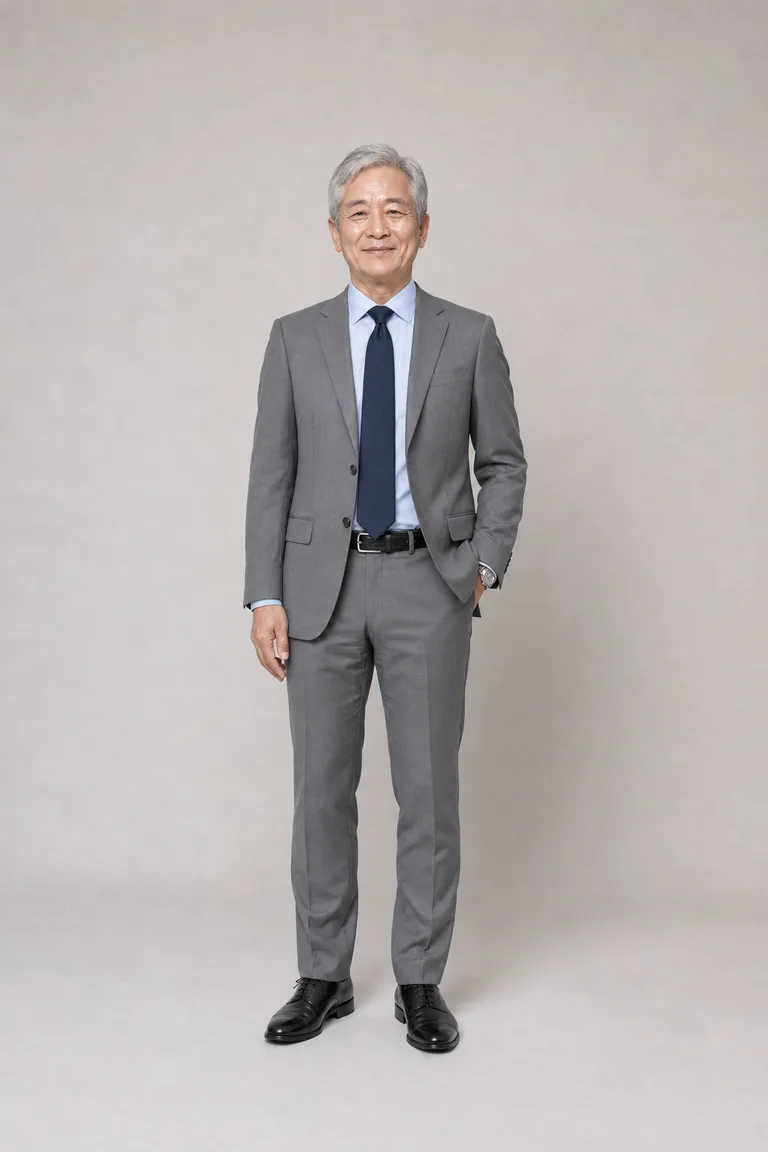
Styled on fictional Avarobe avatars.
Before you get dressed
What to wear to court depends a little on your role, but the goal is the same for everyone: look respectful, serious and credible. Judges, juries and court staff form impressions quickly, and clothing is one of the first things they see. You don't need expensive clothes. You need clean, pressed, conservative pieces that fit, and nothing that makes a statement of its own.
This guide covers outfits for defendants, witnesses, jurors, parties in civil cases and anyone watching from the gallery, plus the items courthouses commonly ban. Rules differ by state, county and even courtroom, and some judges set their own standards, so check the court's website or call the clerk's office if you're unsure. If your lawyer gives you specific advice about what to wear, follow it over any general guide, including this one.
Court: outfits for women
Think conservative office: trousers or a knee-length skirt with a blouse or sweater, or a simple dress with sleeves, plus a blazer or cardigan. Keep necklines high, hemlines at or below the knee and shoes closed-toe with a low heel.
- Defendant or party to a case: a navy or charcoal trouser suit, an ivory or pale blue blouse with a modest neckline, low black pumps or loafers, small stud earrings and no statement jewelry.
- Witness: gray dress trousers, a soft blouse in a muted color like dusty blue or blush, a navy cardigan or blazer and closed-toe flats, so nothing distracts while you answer questions.
- Juror: dark chinos or tailored ankle trousers, a fine-knit sweater or button-up shirt, a cardigan for a chilly jury room and comfortable loafers, since selection can mean hours of sitting and waiting.
- Observer or supporting a loved one: a solid knee-length dress with sleeves, or dark trousers with a plain knit top, plus a light cardigan and simple flats.
- Plus-size: a ponte sheath dress or wide-leg trousers with a longline blazer in charcoal, navy or espresso; ponte holds its shape through a long day of sitting and resists wrinkles.
- Petite: a tailored shift dress that hits at or just below the knee, a cropped blazer or cardigan and low block heels, so proportions stay neat and nothing needs adjusting when you stand to speak.
Court: outfits for men
A suit and tie is the strongest choice for defendants and witnesses, but it isn't required. Dress trousers or chinos with a collared, tucked-in shirt, a belt and dark leather shoes are respectful in any courtroom.
- Defendant: a navy or charcoal suit, a crisp white or pale blue shirt, a conservative tie in navy, burgundy or gray, and black or dark brown leather shoes with a matching belt.
- Witness without a suit: dark gray trousers, a pressed light blue button-up, a navy V-neck sweater over it and dark leather shoes; add a plain tie if you own one.
- Juror: khaki or gray chinos, a tucked-in oxford shirt or long-sleeve polo in a solid color, a quarter-zip or sweater for cold rooms and clean leather shoes or loafers.
- Observer or family member: dark chinos, a collared shirt, a plain sweater or jacket and clean, closed shoes; leave caps, hoodies and team gear at home.
- Hot day: lightweight tan or gray chinos, a long-sleeve cotton-linen button-up tucked in, a belt and leather loafers, with a light jacket for the air conditioning.
- Big & tall: a charcoal suit or navy blazer bought in a big & tall size and altered for a clean fit, a light blue shirt with room in the collar and a solid tie in a quiet color.
Color
Colors to wear and to skip
Wear
Navy and gray are the classic courtroom colors, and brown, tan, ivory and soft muted shades work too. Light blue, white and gentle pastels are good under a jacket or sweater. Black is fine in pieces, though head-to-toe black can look severe. Solids and very subtle patterns keep attention on what you say.
Skip
Avoid red, neon and other loud colors, big prints and anything with words, logos or images, which can distract a judge or jury or be misread. Also skip clothing that could signal affiliation with a group, team or cause. In a courtroom, you want people to remember your words, not your shirt.
The most flattering version of any color is the one that suits your own coloring. Find your color season to know which shades to wear near your face.
Details
Things to consider
Your role
Defendants and witnesses should dress at the formal end: a suit, or at least dress trousers and a collared shirt or blouse. Jurors are usually asked for business casual. Observers can dress a step more relaxed but should still look neat and covered.
Local rules
Many courthouses post dress rules at the entrance or online, commonly banning shorts, tank tops, hats, flip-flops and clothing with offensive words or images. Some judges add their own. Your jury summons or the court's website usually spells out the basics.
Security screening
You'll pass through a metal detector. Wear a simple belt, skip heavy jewelry and metal hair accessories, and leave pocketknives, scissors and even nail files at home.
Long waits
Court days involve a lot of sitting in rooms that run cold or stuffy, plus waiting in hallways. Layer a cardigan or sweater, wear comfortable shoes and pick fabrics that don't crease easily.
Budget
You don't need to buy a suit. Clean, pressed basics from your closet or a thrift store are enough. If you need clothes for a trial, ask your lawyer; some public defender offices and community groups keep donated clothing for court.
Etiquette
Do's and don'ts
Do
- Try your outfit on the day before and make sure it's comfortable sitting down.
- Tuck in button-up shirts and wear a belt with trousers that have belt loops.
- Keep jewelry small and quiet: studs, a watch and a wedding band are plenty.
- Keep hair neat and off your face so the judge and jury can see your expressions.
- Consider covering tattoos and removing facial piercings if your lawyer suggests it.
Don't
- Don't wear shorts, tank tops, crop tops, miniskirts or anything sheer.
- Don't wear a hat or sunglasses inside; religious head coverings are generally accepted.
- Don't wear clothing with slogans, logos, images or anything that could read as a political or group statement.
- Don't show up in flip-flops, slides, gym clothes or pajama pants.
- Don't wear flashy jewelry, big logos or clearly expensive accessories; they can send an unintended message.
Questions
Court outfit FAQ
Can you wear shorts to court?
No, not in most courthouses. Shorts are among the items most often banned by court dress rules, and some courts will turn you away or ask you to come back properly dressed. Even on a hot day, wear lightweight trousers, chinos or a knee-length skirt or dress, and bring a light layer for the air-conditioned courtroom.
Can you wear jeans to court?
Sometimes, but it's better to avoid them. Many courts allow clean jeans for jurors and observers, while others post rules against denim, and defendants and witnesses make a stronger impression in trousers or chinos. If jeans are truly all you have, choose a dark, clean pair with no rips and wear them with a tucked-in collared shirt or blouse.
What colors should you wear to court?
Navy and gray are the best colors to wear to court, followed by brown, tan, ivory and soft muted shades. They look serious and calm without drawing attention. Avoid loud colors like red or neon, big prints and anything with words. Head-to-toe black is acceptable but can read as severe, so soften it with a lighter shirt.
Do you have to wear a suit to court?
No. A suit is a strong choice for defendants and witnesses, but it isn't required. Clean, pressed dress trousers or chinos with a collared shirt or blouse, a sweater or cardigan and closed-toe shoes are respectful in any courtroom. If your lawyer recommends a suit for trial, follow that advice; they know the judge and the local expectations.
What should a juror wear to court?
Most courts ask jurors for business casual: chinos or dress trousers, a collared shirt, blouse or sweater, and closed-toe shoes. Dress in layers, since jury rooms can be cold, and choose clothes that stay comfortable through long stretches of sitting. Skip shorts, tank tops, hats and T-shirts with slogans, and check your summons for court-specific rules.
Can I wear a hat or head covering in court?
Remove regular hats, caps and sunglasses before you enter the courtroom; most courts require it. Religious head coverings, such as a hijab, turban, kippah or headscarf, are generally permitted. If you have a medical or religious reason to keep something on, tell the bailiff or court officer when you arrive to avoid any misunderstanding.
Keep reading
Related guides
Dress codes
More occasions
Avarobe
See the outfit on you before the day.
Name the occasion and Avarobe shows complete outfits on an avatar made from your selfie, at your real height and build, in the colors that suit you.
3 looks free · No credit card